Not all slot games are created equal — and if you’re serious about making smarter decisions when you play, there’s one number you need to understand: RTP. It won’t tell you when a game will pay out, but it can help you decide which games are worth your time.
Here’s what RTP is, why it matters, and how to use it to your advantage.
What Is RTP and Why Should You Care?
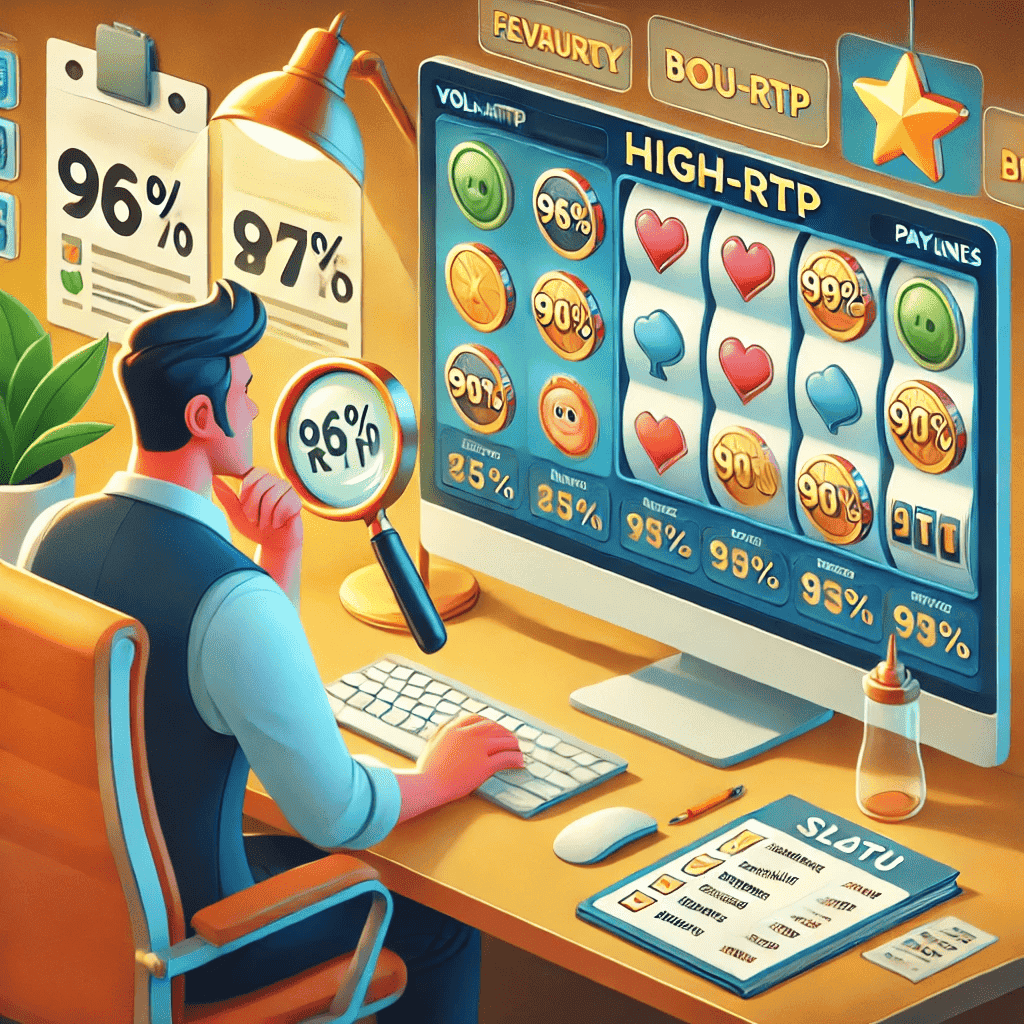
RTP stands for Return to Player. It shows what percentage of total wagers a slot is expected to pay back to players over time.
For example:
- A slot with 95% RTP will, on average, return $95 for every $100 wagered — across hundreds of thousands of spins.
- The remaining 5% is the casino’s edge.
Important: this doesn’t mean you’ll get 95% back after a few rounds. RTP is a long-term statistic, not a short-term promise.
Still, higher RTP means better odds for the player over time.
What Affects a Slot’s RTP?
Not all high-RTP games feel the same. That’s because several factors affect how a slot actually plays:
- Game design: Simpler games often have higher RTPs
- Bonus mechanics: Games with elaborate bonus rounds may offer lower base RTP to balance volatility
- Randomness: Each spin is independent — you can hit or miss regardless of past results
This means that two slots with 96% RTP can still feel completely different in practice.
How to Find a Slot’s RTP
There are several ways to check a game’s RTP before you play:
- Official game info: Many casinos list RTP in the game’s help or info section
- Provider websites: Developers often publish specs for their games
- Slot review sites: Third-party websites offer breakdowns and player feedback
- Player forums: Real player experiences can point to trustworthy games
If the RTP isn’t shown — that’s a red flag. Look for another game.
High vs. Low RTP: What It Really Means
High RTP (usually 96% and up) gives you more value over time. But it doesn’t guarantee more fun — or even more wins. Some lower-RTP slots include bigger bonus features, unique mechanics, or massive jackpots. These trade-offs can still be worth it if you’re in it for entertainment.
Rough guide:
- 96% and up: Strong RTP — good for long sessions
- 94–95%: Decent, but not ideal
- Below 94%: Not recommended unless the game has very unique features
How to Choose a High-RTP Slot
Here are smart steps to follow:
- Do your research: Check RTP values before spinning
- Test the game in demo mode: See if you enjoy the pace and style
- Read player feedback: Some games may have hidden fees or confusing bonus conditions
- Compare games from trusted providers: Some studios consistently offer better RTPs than others
You don’t need to memorize a huge list of numbers — just focus on a few trusted games that combine RTP, design, and gameplay you enjoy.
Tips for Winning More on High-RTP Slots
RTP is just one piece of the puzzle. Combine it with smart habits for better results:
- Manage your bankroll: Set limits before you play — and stick to them
- Start with small bets: This gives you more spins and more chances to hit a bonus
- Use casino bonuses: Free spins or deposit matches can stretch your playtime
- Take breaks: Fatigue leads to bad decisions. Stay sharp.
The longer you play smart, the more you benefit from a high-RTP game’s design.
Final Thought
RTP won’t predict your next win — but it does point you in the right direction. Choosing slots with higher return percentages gives you better odds and more consistent value in the long run. Combine that with a clear head and a bit of strategy, and you’re not just spinning — you’re playing smart.
Remember: the goal is entertainment first. RTP just helps you enjoy the ride a little longer.