
A social casino is a platform where players can play casino-like games such as slots, poker, and bingo, but instead of real money, they use virtual money. In social casinos, all play takes place using in-game currency, unlike online casinos, where you can place bets and win real money. During the game, it can be either purchased or earned, but it cannot be exchanged for real money.
Social casinos were created so that people could enjoy gaming without spending a lot of money, as in traditional casinos. Since they provide a safe gaming experience, they are becoming more popular.
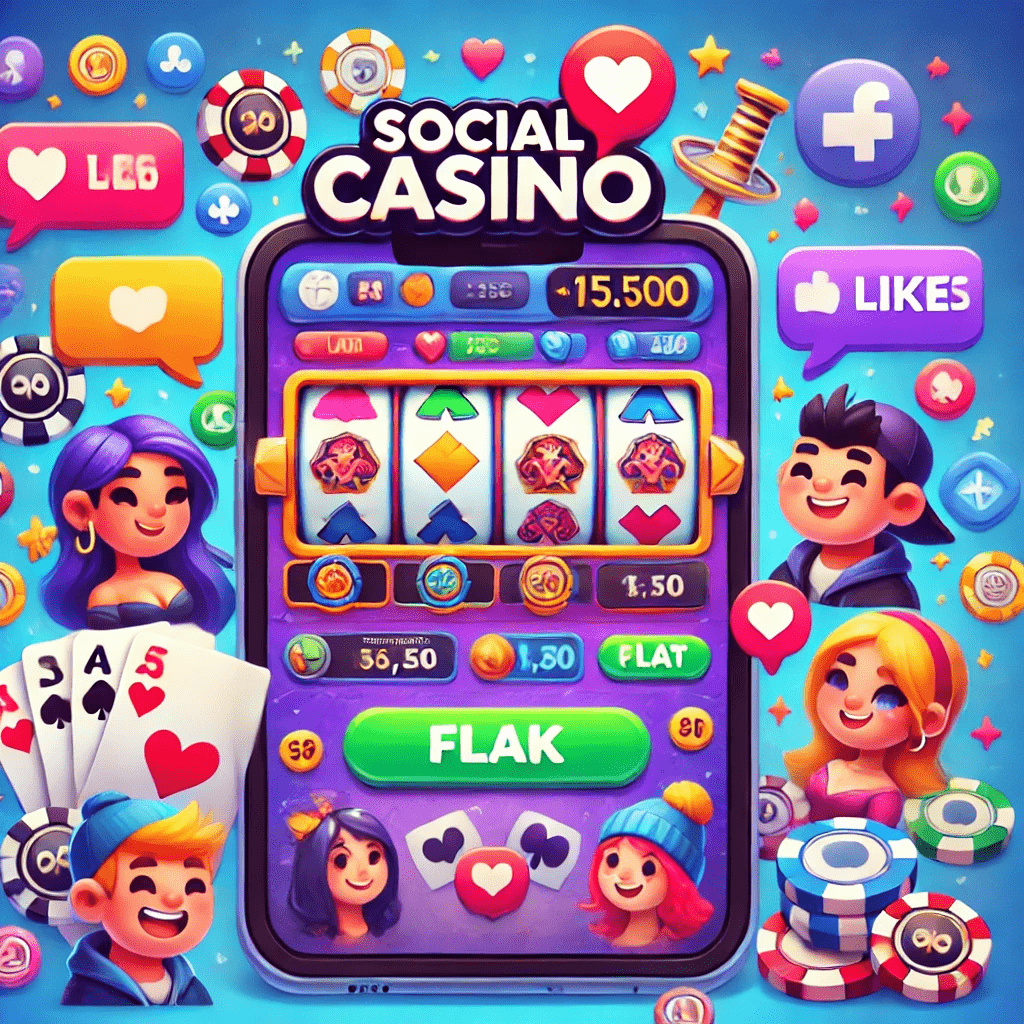
The brief history of the transition from social games to social casinos began with the emergence of social networks, when game developers saw an opportunity to combine popular games with casino-style games.
Over time, social casinos have become one of the most popular genres of mobile games in the world. Today, they offer a wide range of games, from classic slots and blackjack to more innovative and exciting game formats.
In the early 2000s, social games such as Facebook and VKontakte appeared.
Millions of users played virtual activities such as FarmVille and Mafia Wars, which combined strategy, interaction, and competition. These games took advantage of the capabilities of social networks: players could invite friends, send gifts, and post achievements on their news feeds.
Through invitations and “social proof” (e.g., if a friend recommends a game, it means it is worth checking out), this strategy helped retain old players and attract new ones. It soon became clear that the social component was a powerful tool for engaging players and creating a loyal community. The success of these games led to the convergence of online gaming and social media, which ultimately led to the emergence of social casinos.
In the late 2000s, the first social casino platforms appeared. These platforms allowed users to play free casino games with virtual currency. They included features such as in-game chat, friend invitations, and leaderboards, which reflected the social aspects of early games but were now more focused on gambling entertainment.
Social casinos attracted both traditional casino players and gamers looking for a new gaming experience, opening up a new market segment. Increasingly sophisticated social features that allowed players to interact and compete for virtual rewards were driven by the popularity of these games. These features helped create a closer community of players, adding depth and excitement to the games.
Operators quickly realized that social elements such as tournaments, quests, and cooperative modes were crucial to retaining users and keeping them engaged.
In the 2010s, the widespread adoption of smartphones significantly accelerated the development of social casinos. It became easier for players to enjoy their favorite games anytime, anywhere, thanks to mobile social gaming apps, which greatly increased player engagement and retention.
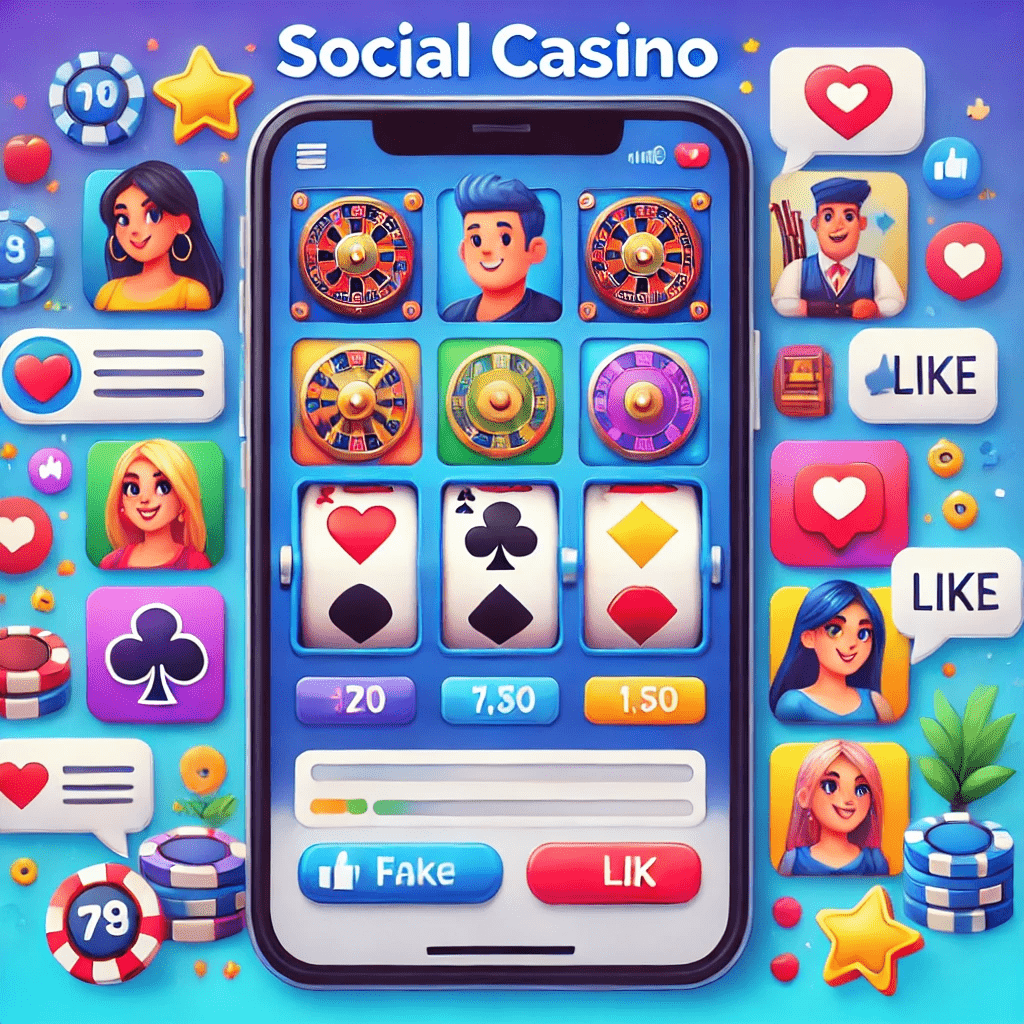
The current trend toward socially interactive casino gaming was driven by the convenience of mobile apps, improved graphics, and new game formats. Today, social casinos continue to evolve, adding features such as gaming communities, live chat, and real-time multiplayer games. The line between traditional games and modern social interactions is blurring, creating a foundation for future innovation and sustainable growth in the industry.